
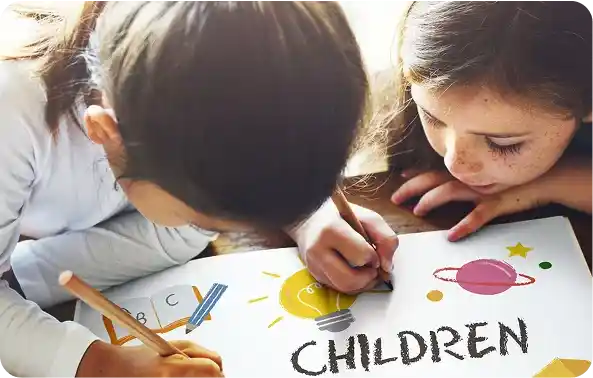
Kids learn through play, which is a wonderful way to have fun, but it’s not the only way. Playing teaches kids about the world, how to manage their feelings, and how to build lifelong skills. Kids learn a lot through games, hands-on activities, exploration, and their imaginations long before they know what “education” means.
Parents are often surprised by how much kids can learn just by playing. Kids learn how to balance, be aware of their surroundings, be patient, and solve problems when they play with building blocks. Kids learn about language, making decisions, and social rules when they play pretend, not just when they dress up. These moments are crucial, and they have a big impact on who our kids become in school and in life. Many teachers of young children use play-based learning activities because they help kids grow in a way that feels natural, fun, and important.
The Social Skills Kids Learn While Playing
Playing is often the first thing that helps people make friends. Kids learn how to be kind and work together when they take turns, share toys, or play a game with a group. Even disputes over who receives which toy can provide valuable opportunities for learning. With gentle guidance, kids learn how to negotiate, feel good about themselves, and say how they feel in the right way.
In a supportive early learning environment, teachers know that kids learn social skills better through real interactions than by following rules. Teachers often watch and help kids find beneficial solutions on their own instead of stepping in right away. This encourages kindness and gives kids room to grow.
Exploration Helps Their Creativity and Imagination Grow
Kids are naturally curious, and they learn best when they can explore things on their own. When kids play creatively, they can try out different ideas and see what happens without worrying about whether they’re “right”. Their imaginations are working overtime when they build a cubby out of chairs, paint with natural materials, or pretend to cook.
These activities foster the development of innovative thinking, a crucial skill for problem-solving in later life. Kids learn to cope with things that don’t go as planned. They feel positive about their ideas when they come up with new ones. This kind of creativity isn’t about making beautiful art or fancy crafts. It’s about trying new things and realising that there is more than one way to do something.
Early Reading and Writing Skills Grow on Their Own
It’s easy to forget that language and maths don’t always start at a desk. Children learn new words, sentence structures, and sounds when they tell stories, sing, and play make-believe. When teachers talk to kids while they’re doing things, they gently model language without making it feel like a lesson.
They can start to see numeracy skills long before they start counting. Kids can learn maths in a realistic, hands-on way by sorting toys, comparing sizes, building towers, and recognising patterns. It’s not about remembering numbers; it’s about laying the groundwork for when school starts so that learning is easier.
Real-Life Experiences That Build Confidence
When kids discover something on their own, they feel proud. Kids build their self-esteem through real-life experiences, like figuring out how to get over a new obstacle or mixing coloured water to create a new shade. This confidence often lasts for a long time, which helps kids try new things, talk to each other more openly, and become ready for the next step in their learning journey.
Taking risks also helps them feel more confident. Kids need safe, supervised places to try out their skills. Even a small challenge, like walking on a beam, can make a child feel stronger and more capable.
Why the Environment of a Playschool Is Important
The quality of the place where you learn is very important. A reputable playschool doesn’t rush kids through activities or try to teach them as they do in a regular classroom. Instead, teachers create activities that make kids curious and independent, giving them plenty of time to explore on their own.
According to early childhood education research, families should search for a place that values each person’s uniqueness, encourages creativity, and provides kids a safe place to grow socially and emotionally. Kids are more likely to try new things, talk to others, and become fully involved in their learning when they feel safe.
A Learning Base That Stays
Children learn a lot when they play. They aren’t just getting ready for school; they’re also building a base that helps them communicate, solve problems, be creative, and be strong. A well-thought-out play-based approach makes kids feel good about themselves, capable, and excited to learn more. These early skills shape how kids see themselves and the world around them, making even the most mundane events important steps towards the future.
