
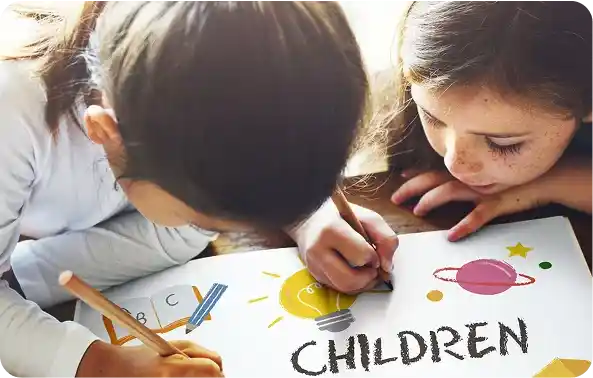
Most parents see play as simple fun, but it is much more than that. If used for educational purposes, it allows children to explore and make sense of their world while acquiring new skills. Through play, children learn to do many things, such as think, communicate, solve problems, and even cooperate and collaborate.
Play-Based Learning Promotes Holistic Development
Children learn best when they are having fun, and playing is one way to create that fun environment. For families seeking quality childcare in Melbourne, many centres offer play-based learning programs to encourage development across all areas. Indulging in play-based activities helps children build multidimensional skills. Here’s how:
- Stacking blocks or making patterns, for instance, develops their thinking skills.
- Inventing stories nurtures creativity.
- Interacting with other children teaches them to become sociable.
In other words, children discover how things work. They develop cognitive abilities and practise reasoning without even realising it.
Play also supports emotional growth, as it gives children a safe space to express frustration and celebrate their successes. Research shows that children who learn through play tend to perform better at school simply because they acquired early skills in a joyful environment.
6 Play-Based Approaches to Building Strong Children
In so many wonderful ways, teachers and parents can improve children’s attitude towards learning. After all, education should be a pleasant experience, not a painful one. Here are six ways to make learning fun for children of all ages:
1. Scaffolding Play
The approach of scaffolding centres on giving just enough guidance to help children learn without taking over. For example, a teacher might ask questions that spark new thinking, like “What will happen if I add more blocks to my tower?” This technique keeps the play child-led but encourages an exploration of possibilities.
2. Sensory Play
Kids love it when play involves all five senses—touch, smell, sight, sound, and taste—because it helps them discover new things. The exploration can be thrilling and fill them with glee. Things like water tubs, rice bins, and finger painting grab attention immediately. These activities sharpen focus and help develop fine motor skills. Sensory play is more than fun; it helps children calm down and reset after energetic or stressful moments.
3. Cooperative Play
Playing together builds skills that stay with them for life. A cubby house, a made-up game, or a puppet show encourages children to share ideas. They learn to listen, compromise, and solve problems. Disagreements happen, but those moments teach patience and resilience. Cooperation gives children practice in working with others.
4. Outdoor Play
Nothing sets kids free like outdoor play. It gives them the freedom that indoor spaces cannot. Climbing, running, and digging build physical strength. Collecting leaves, spotting insects, or imagining adventures under a tree sparks curiosity. Fresh air and movement boost health while encouraging creativity. Outdoor play connects children with nature and widens their learning environment.
5. Onlooker Play
Some children prefer to watch their peers before joining in. This is not wasted time. By observing, they pick up social cues, words, and routines. Onlooker play builds understanding of how activities work. With time, children gain the confidence to step in and participate actively.
6. Constructive Play
Constructive play is about building and creating. Lego towers, cardboard models, or wooden bridges teach planning and persistence. Children experiment, adapt, and learn from mistakes. Completing a project brings satisfaction and makes kids confident. This type of play also introduces problem-solving and design skills early in life.
Final Thoughts
Play is not a pause from learning. It is the most natural way for children to learn and grow. Through play, critical thinking, problem-solving, and social skills can be inculcated from a young age. Emotions and resilience can also be developed. Every type of play, from sensory activities to structured games, gives children meaningful ways to grow. Supporting play means supporting future success.
And yes, play is especially powerful when it teaches them the virtues of patience, fairness, and self-control. So, don’t forget to dial up the fun factor with some board games and card games. These require children to wait, follow rules, and adapt.
