
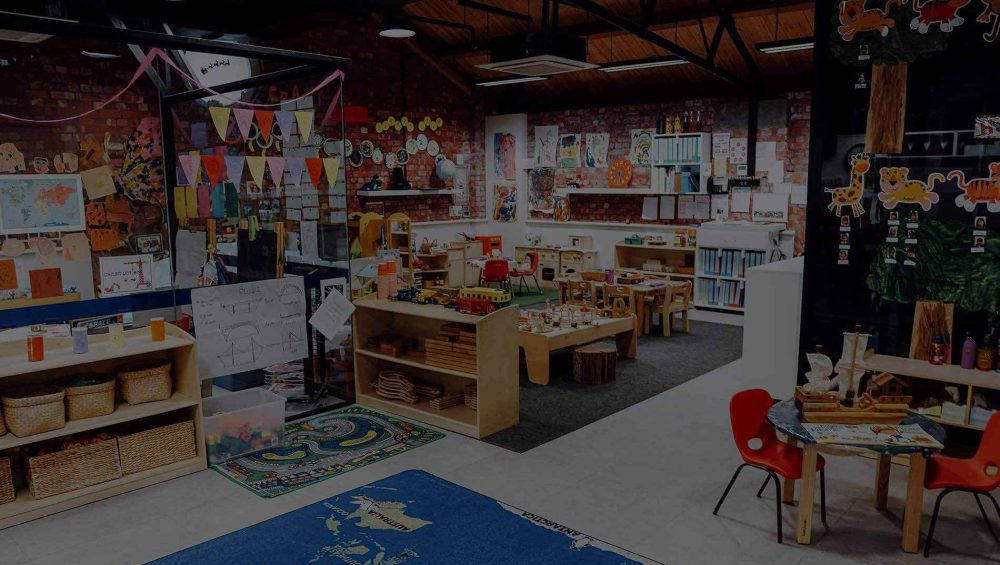
A classroom is rarely quiet. If one child is asking a question, another is busy drawing in their notebook. Someone is staring out the window. Another child is fidgeting with their pencil. Every tiny action makes classrooms lively. However, too much chaos or frequent distractions can make learning difficult. The solution? Anchor charts.
Traditional learning methods and endless repetition generally work for test preparation, not for deep understanding. A well-made anchor chart turns complicated explanations into something children can see, remember, discuss, and reuse. It reminds them of a skill, concept, idea, or routine and helps them work without constant teacher support.
However, an anchor chart should not be just another colourful display for classrooms. It should be purposeful and support children’s learning. With that in mind, let’s explore what anchor charts are, why they matter, the different forms they can take, and how teachers can create charts that don’t just decorate rooms but make information stick in students’ heads and hearts.
What Is an Anchor Chart?
An anchor chart is a visual display tool that students make during a lesson to highlight important ideas, thoughts, concepts, or rules in a simple way. These charts include words, pictures, symbols, numbers, sticky notes, examples, and more, so students can look back after class, recall what they learned, and work more independently.
Anchor Chart Definition
An anchor chart is a co-created classroom display that captures key learning. Unlike printed posters, teachers and students build these charts together during a live lesson. Learners can refer to them when needed and quickly recall the earlier lesson.
Common Learning Uses
Teachers use anchor charts to support various everyday learning activities.
- Displaying steps for enunciating words, organising an essay, or finding the core idea of a story.
- Showing step-by-step methods to solve long division problems, geometry formulas, or word problem steps.
- Outlining classroom rules and daily procedures, group work guidelines, and active listening steps.
- Introducing new words alongside student-drawn pictures and context clues to build a strong vocabulary.
- Mapping out science and social studies concepts, cause-and-effect timelines, scientific method steps, or experiment procedures to reinforce learning and encourage children to learn more independently.
Why Anchor Charts Help Young Children Learn
Students are constantly learning and building connections between what they hear, see, touch, and do. Instead of pushing children to remember all the information, teachers provide a familiar visual example, symbol, picture, or short phrase to bring the lesson back to mind.
Teachers can add fresh notes, steps, or examples to the same chart as students learn more about the idea or concept. This creates a permanent reference point that improves memory, supports self-directed problem-solving, fosters independent learning, and deepens academic comprehension.
Visual Memory Support
Young learners have limited attention spans. Anchor charts include pictures to make learning easier to see, keep, and recall. By keeping key information in one place, children don’t feel pressure to remember instructions all at once. They can check the chart to recall key instructions or points and feel confident trying the next step on their own.
More importantly, clear visuals, icons, symbols, or short phrases give children something specific to focus on. This especially helps non-readers, who need simple drawings, numbers, pictures, or symbols to understand and remember an idea.
Shared Learning Language
Anchor charts are co-constructed with students to give the class a unified way to talk about learning. Children can use the same words and ideas during activities while building ownership, supporting peer collaboration, and linking old vocabulary or concepts to new topics.
When students make charts with teachers, they feel more involved in the process and share ideas, drawings, and examples, which in turn increases engagement, unlike printed posters. With everyone using the same terms or phrases, instructions become easier to understand and follow. In fact, children use the same steps, words, or examples from the chart to solve tasks together, revisit what they learned in earlier lessons, and use it in a new activity.
Types of Anchor Charts for Early Learning
Early learning involves repetition, exploration, and lots of hands-on practice. A good anchor chart supports this learning practice and turns blank paper into lasting reference material so children can refer to it and connect new ideas to memory. From letters and numbers to daily routines, different charts serve different purposes for learners.
Literacy Anchor Charts
Literacy anchor charts make early learning easier to manage by turning small but important rules into quick visual reminders.
- Alphabet Charts: Show uppercase and lowercase letters with familiar pictures, like pairing A with an apple and B with a ball, to help children recognise letters and connect them with sounds.
- Reading Strategies: Illustrate simple ways children can work through a book, like looking at the pictures, looking for a familiar word, or sounding out the words.
- Retelling Maps: Use drawings or sticky notes to map the beginning, middle, and end so children can add characters, important events, or drawings from a shared story.
- Writing Rules: Remind students to leave spaces between words, start with capital letters, and use punctuation.
Maths Anchor Charts
Math anchor charts show students different ways to work with numbers, shapes, and patterns.
- Counting Strategies: Show different ways to count objects using simple dots, objects, tally marks, or ten-frames
- Shape Recognition: Feature 2D and 3D shapes with real-world object examples and visual features
- Number Sense: Show numbers in different word forms, dice patterns, and quantities. For example, the number 4 could appear as a numeral, four dots, four fingers, and four objects to help children understand that a number represents quantity.
- Pattern Codes: Show repeating patterns using simple symbols, colours, objects, or letters
Routine and Behaviour Charts
Young learners need help with routines, transitions, and making choices. Routine and behaviour charts make everyday expectations clear and easier to follow.
- Morning Routines: Step-by-step pictures show what students must do when they arrive, like how to put a bag away, hang up a coat, wash hands, and choose an activity
- Whole-body Listening: Illustrate simple visual icons for quiet mouths, ears listening, watching eyes, and calm hands for children to remember
- Transition Steps: Clear directions for changing between activities, like tidying up toys or lining up for assembly
How to Create an Anchor Chart
To create a clear anchor chart, start with a clear learning goal. Keep it simple and relevant, and use visuals that children can easily understand. Here’s how to do it right.
Choose One Focus
- Focus on one idea: letter sounds, counting strategies, or classroom routines.
- Avoid putting too much information on one chart.
- Make a clear title for the top of the page.
Use Simple Visuals
- Draw large shapes, icons, symbols, or words.
- Use two or three brightly coloured markers to highlight important words.
- Leave some empty space so the page is easy to read.
Revisit the Chart
- Hang the chart on a wall where everyone can see it.
- Refer to it during lessons or reading time
- Encourage students to refer to it when they need a reminder.
- Add new ideas or images as needed.
Tips for Using Anchor Charts Well
Anchor charts are a powerful learning tool, but they’re only effective when children actually use them. Keep them visible, relevant, and connected to regular learning activities to benefit learners.
Keep Charts Current
Remove and update charts as the learning focus changes. Keep old charts for reference. Take digital copies so you can share them with student devices. However, avoid cluttering the walls with too many charts, as it can overwhelm children.
Include Children’s Ideas
Let children help build the chart during the lesson. Ask for their examples, questions, and observations, and write definitions in words they use and understand. When children see sticky notes with their own examples, they are more likely to be engaged and use them during classroom activities.
Frequently Asked Questions (FAQs)
How can teachers create effective anchor charts?
To create effective anchor charts:
- Choose one clear learning objective.
- Use simple icons, words, visuals, or large text.
- Include students in preparing the chart to increase engagement.
- Keep the chart focused, useful, and easy to follow.
Can students help create anchor charts together?
Absolutely. Children can share ideas, draw pictures, suggest examples, and even help in choosing words to co-create charts in real time.
Are anchor charts suitable for preschool children?
Yes, anchor charts are an excellent option for preschool children. Pictures, symbols, numbers, or large texts with pictures can help them understand and remember letters, numbers, and rules.
What should an anchor chart include?
A well-made anchor chart includes a clear title, 3 to 5 key points, words or steps, simple drawings, symbols, or examples, and neat spacing.
How often should anchor charts be changed?
Change an anchor chart whenever the class moves to a new topic or skill, usually every 1 to 3 weeks. Teachers can also add new sticky notes or examples to an existing chart as student knowledge grows.
